
If you subscribe to Netflix, you’re undoubtedly aware that WWE is now making a big splash on the platform. Launched on January 1, the “WWE Collection” highlights a new multi-billion-dollar partnership between the world’s most successful wrestling promotion and the most dominant streaming service. For WWE fans, it feels like finding a pot of gold at the end of a rainbow—pure magic. As a 44-year-old educated individual, the time feels right to proudly embrace my fandom of WWE. No more shame!
Ever since I was a kid, I’ve been captivated by the unique blend of storytelling and athleticism that defines professional wrestling. Take, for example, the Shakespearean drama of the Mega Powers’ implosion—Hulk Hogan and Macho Man Randy Savage, whose friendship unraveled amid jealousy and paranoia as Savage feared Hogan was pursuing his manager and real-life wife, Miss Elizabeth. Or the infamous Montreal Screwjob, where Bret Hart’s controversial loss to Shawn Michaels exposed the scripted world of wrestling, a moment effectively captured by Canadian filmmaker Paul Jay in his 1998 documentary Wrestling with Shadows. Wrestling isn’t just entertainment—it’s a stage for life lessons and reflections on human nature.
Consider Dwayne “The Rock” Johnson’s return to WWE earlier this year as the “Final Boss.” He defied political correctness, turned heel (villain), and pushed boundaries with his actions and words. His character embodied the things many might want to say or do but can’t, resonating deeply with fans. These storylines and characters transcend entertainment, offering a cultural study rich with lessons.
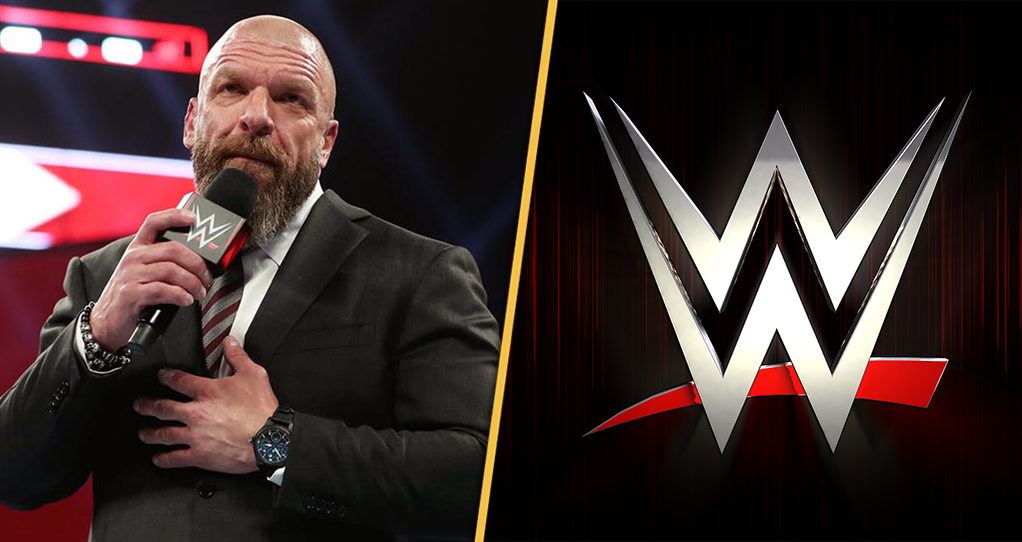
This brings us to a crucial leadership lesson from Paul Levesque, better known as Triple H, WWE’s Chief Content Officer. WWE has evolved from a family-owned business to a publicly traded company, and Triple H’s journey offers insights for leaders across industries.
Triple H’s Leadership Evolution
Paul Levesque joined WWE in 1995 as a wrestler, quickly rising to stardom through his role in D-Generation X and multiple world championship victories. Over time, his interests evolved from in-ring performance to behind-the-scenes roles, where he became instrumental in shaping WWE’s creative vision. As the overseer of NXT, WWE’s talent incubator, Levesque’s leadership—marked by active listening and collaboration—helped foster a culture of growth and innovation.

In 2022, after Vince McMahon’s controversial departure, Triple H was appointed Chief Content Officer at a time of low company morale. His collaborative approach and focus on long-term storytelling reinvigorated WWE’s creative direction, earning respect from talent and fans alike. Most importantly, his commitment to cultivating a culture of respect and high expectations for all stakeholders has ushered in a new era for WWE—a renaissance featuring interconnected storylines and a mix of new and legendary stars.
The return of The Rock under Triple H’s leadership underscores a culture willing to set aside egos to advance the business further than ever.
Lessons in Leadership
The cornerstone of Triple H’s leadership is morale. In any organization with many moving parts, fostering a culture of respect and collaboration is paramount.
Respect can be challenging to define, particularly in hierarchical structures like schools or businesses. In education, for example, the principal is at the helm of the school, with superintendents and directors of education overseeing them at the board level. Each level of the hierarchy plays a vital role, but the foundation is built on respect and communication.
Research from the Rotterdam School of Management highlights that leaders who actively consult with their teams, value their expertise, and treat them with respect are able to foster stronger, more effective partnerships. This approach not only strengthens relationships within teams but also promotes a culture of trust and mutual support. Triple H’s leadership style serves as a prime example of how personal experience shapes effective leadership. His time as a wrestler informs his ability to connect with others, making him a relatable and impactful leader. His journey is a valuable reminder for school administrators to never lose sight of their own time spent in the classroom, as those experiences provide essential insight into the challenges and needs of their teams.
By engaging in open conversations, leaders can create an inclusive environment where every voice is heard and valued. Valuing diverse perspectives fosters creativity and collaboration, enabling teams to come together to solve problems and innovate. When leaders show that they genuinely listen to their team members and prioritize their input, it builds a sense of community and shared purpose. In such an environment, everyone feels empowered to contribute their best ideas, ultimately driving collective success and growth.
In fact, after his return to WWE’s Main Event on NBC, the legendary wrestling superstar, former mayor, and governor Jesse “The Body” Ventura shared a few thoughts on the new regime at WWE. “The biggest thing I noticed was how different the energy and vibe is backstage. You don’t feel a battle of egos like you often did back in my day. From the executive level to the locker room level, you instead feel a very strong sense of teamwork and creativity. Everyone is running in the same direction, fueled by a desire to see everyone succeed, not just themselves. I think this speaks volumes about the leadership of Paul ‘HHH’ Levesque.”
A Playbook for School Leaders
Triple H’s transformation of WWE stands as a masterclass in leadership. His strategic focus on rebuilding relationships, fostering mutual respect, and creating a positive, collaborative environment has revitalized a multi-billion-dollar company that was once mired in a toxic work culture. Under his leadership, WWE has evolved into a more inclusive, creative, and forward-thinking organization. These same principles can be directly applied to school leadership. Just as Triple H has demonstrated, respect for others, fostering collaboration, nurturing creativity, and staying grounded in your own experiences are all essential elements for driving meaningful change and inspiring progress.
As we return to school tomorrow, I’m certainly feeling inspired by Triple H’s leadership playbook. His example serves as a reminder that effective leadership isn’t about authority—it’s about cultivating a sense of unity, inspiring others, and remembering the foundational values that shape success.

 Anthony Perrotta
You must be logged in to post a comment.